




A Design Stehlampe does more than brighten a dark corner. It can give a room its rhythm: a quiet pool of light beside a sofa, a sculptural line against a textured wall, or a warm glow that makes the whole space feel more considered after sunset. For homes that balance modern simplicity with personality, a floor lamp is often the piece that makes the room feel finished.
Unlike ceiling lighting, which tends to serve the whole room at once, a floor lamp creates an atmosphere at eye level. It draws attention to a reading chair, softens the edge of a sectional, and gives depth to spaces that can otherwise feel flat. The right silhouette also works in daylight, when the lamp becomes an object in its own right.
Why a Design Stehlampe Changes the Room
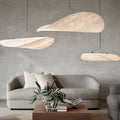
A thoughtfully chosen floor lamp introduces a second layer of design without demanding more furniture. This matters especially in apartments, where every item needs to earn its place. A slim lamp can add height to a low-profile living room, while a wide paper or fabric shade can bring softness to clean-lined furniture and plaster walls.
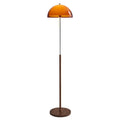
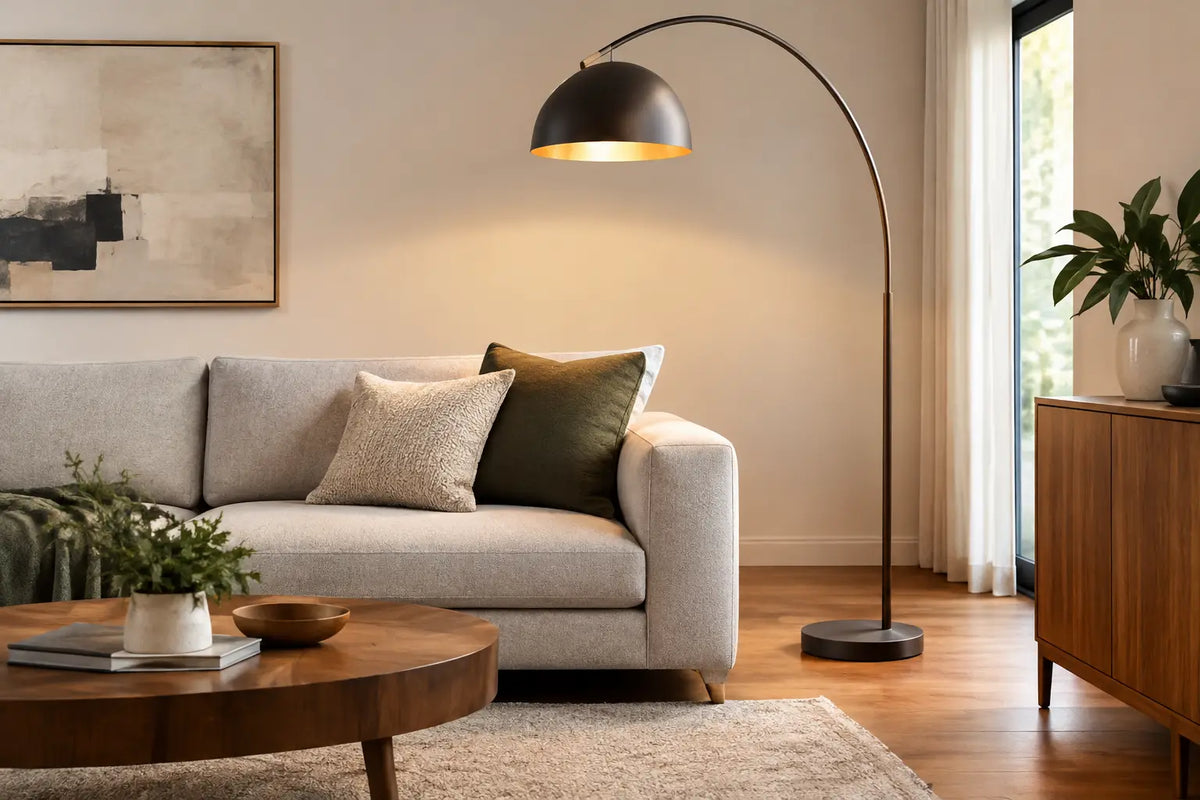
The most compelling designs balance presence and restraint. A sculptural metal arc makes a confident statement beside a deep sofa. A linen shade on a natural wood base feels calmer, more tactile, and especially at home in Japandi or wabi-sabi interiors. A mushroom-shaped lamp in glossy glass or colored metal leans more Italian modern, bringing a playful retro note without turning the room into a time capsule.
Think of the lamp as part lighting fixture, part visual anchor. Its job is not only to illuminate. It can connect the finish of a side table to the frame of a mirror, echo the curve of a chair, or introduce a material that the room is missing, such as warm brass, travertine-inspired stone, walnut, or ribbed glass.
Start With the Light You Want to Live With
Before choosing a form, consider how the lamp should feel at night. A bright, exposed bulb may work for focused reading, but it can feel too sharp for winding down. A diffuser, fabric shade, frosted globe, or indirect uplight creates a gentler result. For most living rooms and bedrooms, warm white light around 2700K gives the flattering, cozy character people expect from residential lighting.
Dimmability is one of the most useful features to look for. It allows one lamp to shift from practical task lighting to low, ambient illumination for dinner, movies, or a slower evening at home. If a dimmer is not built in, make sure the lamp is compatible with a dimmable bulb and the dimming method you plan to use.
Placement changes the effect just as much as the bulb. Put a floor lamp slightly behind and to the side of a lounge chair to light a book without throwing glare directly into the eyes. Behind a sofa, an arched lamp can provide a soft overhead glow without the need for a ceiling fixture. In a bedroom, a slender floor lamp can replace a bedside table lamp when surfaces are limited.
Choose a Shape That Fits the Furniture
Scale is where many otherwise beautiful floor lamps go wrong. A lamp that is too small next to a substantial sofa can disappear. One that is too large can crowd a narrow room or compete with every other focal point. Let the volume of nearby furniture guide the choice.
For a generous sectional or a low, modular sofa, choose a lamp with a taller stem, a larger shade, or an arc that reaches into the seating area. The added height creates balance and gives the arrangement a more architectural feel. In a compact apartment, a narrow tripod, pole, or uplight floor lamp may be the smarter option. It keeps the floor clear while still adding layered light.
Shade shape matters too. Drum shades feel classic and relaxed, particularly in fabric or woven natural fibers. Cone shades direct light downward and suit reading corners. Globe shades offer a softer, more sculptural look, while asymmetrical or pleated shades bring a more editorial character. There is no single best choice. It depends on whether the room needs quiet texture, focused function, or a distinct design gesture.
A simple proportion check
Stand where you normally enter the room and look at the lamp together with the furniture around it. The top of the shade should feel intentional within the overall composition, not stranded too low beside the sofa or awkwardly close to the ceiling. When used for reading, the bottom of the shade should generally sit around seated eye level or just above it, so the bulb remains comfortably shielded.
Match Materials, Not Every Detail
A coordinated interior does not need matching lamps, tables, and hardware. In fact, too much matching can make a home feel staged. Instead, repeat material families and visual temperatures.
Warm materials such as oak, linen, rattan, ceramic, and matte cream finishes make a room feel relaxed and lived in. They pair naturally with earthy textiles, soft rugs, and handcrafted vases. Black metal, chrome, smoked glass, and crisp white shades create a sharper modern contrast, especially against neutral walls. Brass can move in either direction: brushed brass feels quiet and refined, while polished brass brings a more glamorous, vintage-informed energy.
If your room already includes strong texture, such as bouclé upholstery, ribbed wood, and patterned stone, a simple floor lamp with a clean silhouette gives the eye a place to rest. If the room feels plain, a lamp with an expressive base, a pleated shade, or a sculptural curve can add the detail it lacks.
Give Dark Corners a Purpose
The most useful place for a floor lamp is often the spot that feels least resolved. An empty corner beside the sofa, the space between a console and a window, or the edge of a bedroom can look accidental during the day and gloomy at night. A floor lamp gives that area purpose without the weight of another cabinet or chair.
Create a small moment around it rather than letting the lamp stand alone. A floor lamp beside an accent chair and a compact side table becomes a reading corner. Positioned near a large mirror, it can multiply the evening glow and make the room feel deeper. Next to a low console, it can frame ceramics, books, or a sculptural vase with a gentle wash of light.
For renters, this is especially valuable. Plug-in lighting creates ambiance without changing the ceiling wiring, and it moves with you when the next home calls. A distinctive lamp is also one of the easiest ways to make a neutral rental feel personal.
Let the Lamp Work Beyond the Living Room
A well-chosen floor lamp earns its keep in more than one space. In a bedroom, it can soften the room more effectively than a bright overhead fixture. In a home office, a directional design helps separate the work zone from the rest of the room once the day is done. In an entryway, a compact uplight makes the first impression warmer and more welcoming.
Even dining spaces benefit from a floor lamp when there is no pendant above the table. Place it near a sideboard or in a quiet corner, not where it interrupts movement around chairs. The goal is a glow that supports the meal, not a spotlight that competes with it.
At Lunensa, the most versatile lighting choices are the ones that feel beautiful from every angle but remain easy to live with: warm materials, considered proportions, and light that changes the mood without taking over the room.
A floor lamp should never feel like an afterthought added only because the corner was dark. Choose one that gives the room a new height, a softer evening mood, and a silhouette you will still want to see when the light is off.

Laat een reactie achter
Deze site wordt beschermd door hCaptcha en het privacybeleid en de servicevoorwaarden van hCaptcha zijn van toepassing.